How to Take Photos of Models in Jewlery Like a Pro (2025)

📸Want to wow with your jewelry shots? Learn how to take photos of models in jewelry like a pro and boost your brand’s beauty ✨

How to Take Jewelry Photos and Video According to Experts (2025)

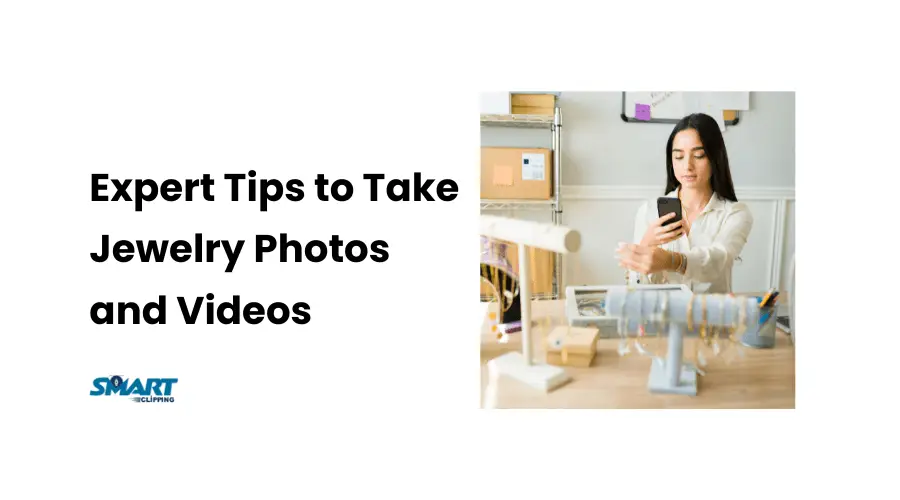
Let me tell you—when I first started photographing my jewelry, I had no idea how much a good photo or video could boost sales. I thought my pieces would speak for themselves, but the truth is, customers can’t touch or try on your jewelry online. They rely entirely on visuals. High-quality images and videos showcase the sparkle, detail, and craftsmanship of your pieces. They build trust and help customers imagine wearing your creations. But here’s the challenge: capturing tiny details, shine, and textures isn’t easy. Reflections, shadows, and focus issues can ruin a shot. That’s why I created this guide—to share what I’ve learned about how to take jewelry photos and video that truly showcase your work. In this post, I’ll cover: Step-by-step instructions for photographing and filming jewelry The best tools and setup for stunning visuals Pro tips to make your pieces shine Whether you’re a small business owner, Etsy seller, jewelry designer, or DIY enthusiast, this guide is for you. Let’s get started! How to Take Jewelry Photos and Video The Basics of Jewelry Photography and Video Why Jewelry Is Hard to Photograph and Record Jewelry is small, shiny, and detailed. These qualities make it beautiful but also challenging to capture. Reflections can cause glare, and tiny details require precise focus. https://www.brides.com/gallery/wedding-ring-photo-ideas Common Mistakes Beginners Make I’ve made these mistakes myself: Using harsh lighting that creates unwanted reflections Choosing cluttered backgrounds that distract from the piece Failing to focus properly, resulting in blurry images https://www.photorobot.com/blog/jewelry-photography Still Photos vs. Video: When to Use What Photos are great for highlighting details and textures. Videos can show how a piece moves and catches light. Use both to give customers a complete view of your jewelry. How to Take Jewelry Photos and Video – Step by Step 🛠️Setting Up Your Jewelry Photo and Video Space Choosing the Right Lighting for Jewelry Photos and Video Lighting is crucial. Natural light is soft and flattering, but not always available. Artificial light can be consistent but may require diffusers to soften shadows. A jewelry photo light box can provide controlled, diffused lighting. It’s especially helpful for eliminating harsh shadows and reflections. What Backdrop for Jewelry Photos Works Best? A clean, neutral background keeps the focus on your jewelry. White is classic and versatile, while black can add drama. Gradient backgrounds can create depth. Using props like a white jewelry stand for photos can add professionalism and context. Just ensure they don’t distract from the piece. https://www.youtube.com/watch?v=gncEiY_j_nE 📷 Best Equipment for Jewelry Photos and Video Best Camera to Take Photos of Jewelry You don’t need the most expensive camera. DSLRs and mirrorless cameras offer great quality, but even smartphones can work with the right setup. For example, the Canon EOS R50 is a budget-friendly option that delivers sharp results. Pair it with a good lens, and you’re set. Best Photo Equip for Jewelry Shoots Stability is key. Use a tripod to avoid camera shake. Reflectors can bounce light onto your piece, reducing shadows. Clamps and diffusers help control your environment. A remote shutter or timer prevents movement when taking the shot, ensuring crisp images. Best Macro Lens for Jewelry Photos A macro lens captures fine details. The Canon 100mm f/2.8L Macro IS USM is a popular choice for its sharpness and versatility. https://photo.stackexchange.com/questions/89121/what-kind-of-lens-do-i-need-to-take-a-photo-of-jewelry-like-this This lens offers a 1:1 magnification ratio, making it perfect for capturing the intricate details of jewelry. https://tomcrowl.com/lenses-jewelry-photography What mm for Macro Jewelry Photo Shoots? Macro lenses come in various focal lengths. A 100mm or 105mm lens allows you to shoot from a comfortable distance, giving you more room for lighting. Shorter focal lengths like 60mm require you to be closer, which can be challenging with lighting and reflections. Styling Your Jewelry for Photos and Video When I first learned how to take jewelry photos and video, I realized that styling plays a huge role. A good setup can make your jewelry pop, while the wrong props can take away all the shine. Using a White Jewelry Stand for Photos I always recommend using a white jewelry stand when possible. It helps the camera focus on the details of your product. Plus, it gives your shot a clean and professional look. Whether I’m photographing a necklace or a pair of earrings, the white stand keeps the background neutral and distraction-free. Tips to Make Jewelry Stand Out Keep things simple. I usually go for minimal backgrounds and neutral colors. That way, the shine, texture, and design of the piece become the center of attention. A piece of black velvet or even white foam board works wonders. Why Clean, Minimalist Props Work Less is more—especially with jewelry. When I shoot with too many props, it just clutters the frame. A clean setup helps me highlight every sparkle, every stone, every detail. I often use small risers or boxes wrapped in paper to lift the jewelry slightly—it creates depth without stealing the spotlight. Matching Stands to Product Type Each jewelry type needs its own stand. For example, I use bust stands for necklaces, T-bars for bracelets, and earring cards or holders for earrings. This makes the jewelry look natural, as if someone’s wearing it. Creative Ideas from Boho and Afrocentric Styles If you sell bold, fashion, or Afrocentric jewelry, you might want to try something different. I get a lot of inspiration from fashion photography blogs and dreadlock fashion shots. They use earthy tones, wood, and textured fabric backgrounds. Add hair, skin tones, or textured surfaces to give your shoot some personality. If I’m working with natural fashion jewelry, I’ll style the shoot with real models, natural lighting, or close skin-toned backgrounds to match the vibe. Flat Lays vs. Models I switch between flat lays and model shots depending on what I’m trying to show. Flat lays are great for detail, but models help buyers picture themselves wearing it. If you’re on a budget, flat lays work fine—but even one model photo can boost trust. Need Help with Jewelry Photo Retouching? 📞 Contact Us! Shooting
9 Top Professional Ecommerce Image Editing Services (2026)

Discover the best ecommerce image editing services to boost your sales.
How to Become a Photo Retoucher: Step-by-Step Guide (2025)

I remember the first time I edited a photo. I thought a simple filter would do the trick. But as I learned more, I realized real photo retouching is what brings pictures to life. Today, brands, photographers, and businesses all expect their photos to look polished and professional. And that’s where skilled photo retouchers are making a real difference. 📸 With social media booming and e-commerce growing every day, the need for clean, beautiful images has exploded. Whether it’s a wedding album, a fashion shoot, or a product listing, retouched photos help create the perfect first impression. What You’ll Learn in This Guide In this guide, I’ll walk you through how to become a photo retoucher step-by-step. You’ll learn what photo retouching really means, what a photo retoucher does, how to start your career, how much you can earn, and how to price your services smartly. I’ll also share real-world tips to build your skills faster and stand out from the crowd. By the end, you’ll know exactly what it takes to start your journey as a professional photo retoucher! Is Becoming a Photo Retoucher Right for You? Becoming a photo retoucher can be a great choice if you love working with images, have an eye for detail, and enjoy making photos look their best. You don’t need an expensive degree or fancy studio equipment to get started. You just need passion, patience, and practice. If you’re wondering how to become a photo retoucher, you’re already on the right track! 🙌 Step-by-Step: How to Become a Photo Retoucher Step 1: How to Learn Photo Retouching 📚 When I first started, I kept asking myself: how to learn photo retouching fast without feeling overwhelmed? Honestly, the best ways are simple — take online courses, watch YouTube tutorials, and practice every single day. Websites like Udemy and Skillshare offer affordable courses if you want structured learning. YouTube is great too if you prefer free lessons. I personally started by watching free videos, then moved to paid classes when I got serious. Top Skills You Need to Develop: You might wonder, how does retouch work in photos? It’s basically about fixing imperfections while keeping the natural look. If you want a deeper dive, check out what does photo retouching mean to understand it better. Step 2: How to Become a Professional Photo Retoucher 🎯 Once you master the basics, you’ll naturally want to know how to become a professional photo retoucher. Here’s what worked for me: Are Certifications Worth It? Honestly, you don’t need a degree or certificate to succeed. But certifications from places like LinkedIn Learning can help you stand out when you’re starting. Still, your skills and your portfolio matter way more than a paper certificate. Step 3: How to Make a Photo Retouching Portfolio 📸 If you ask me, how to make a photo retouching portfolio is simple: Show your best work. Your portfolio must prove what you can do. What a Strong Portfolio Looks Like: How Many Samples Should You Include? Start with 10 to 15 solid examples. Quality beats quantity here! Free and Paid Platforms to Showcase Your Work: Step 4: How to Make Money Retouching Photos 💰 This is the exciting part — how to make money retouching photos! Freelance Platforms to Find Clients: Setting Up Your Services and Prices: When I started, I wasn’t sure how much do photo retouchers make or how much to charge for photo retouching. Here’s a simple guide: Setting your price depends on the time, effort, and type of client. This article about how much to charge for retouching photos helped me a lot when I was learning. Always list exactly what your service includes — like skin smoothing, blemish removal, or color balancing — to avoid confusion. Step 5: How to Start a Photo Retouching Business 🚀 If you want freedom, you’ll eventually think about how to start a photo retouching business. I went through it myself, and here’s how: Naming, Branding, and Legal Setup Basics: How to Build a Loyal Client Base: Before you know it, you’ll have repeat clients who trust you with all their projects. ✅ Quick Recap: We covered how to learn photo retouching, how to become a professional photo retoucher, how to make a photo retouching portfolio, how to make money retouching photos, and how to start a photo retouching business. If you ever wondered how much does a photo retoucher make, starting freelancers can earn $20,000–$50,000 per year. With more experience, your income can grow a lot more! How to Find Work as a Photo Retoucher When I first started learning how to become a photo retoucher, finding work felt a little scary. But trust me, once we know where to look and how to show our skills, it gets easier. Let’s go through it step-by-step! 🚀 1. Build a Strong Portfolio First Before we apply for any jobs, we must build a good portfolio. Clients want to see real examples. I always tell beginners to practice on sample photos and create a simple portfolio showing before-and-after edits. If you want help, here’s a great guide on how to make a photo retouching portfolio 📚. 💬 Tip: Show different types of edits like portraits, weddings, products, and magazines. Clients love seeing variety! 2. Create Profiles on Freelance Platforms One of the fastest ways to find work is by signing up on freelance websites. I created profiles on Upwork, Fiverr, and Freelancer. These places are perfect for beginners who want to start a photo retouching business. When we start, we can offer lower prices to get reviews. Later, we can raise our rates once we build trust and a good profile ⭐. 3. Reach Out to Photographers and Studios Directly Another way I found work was by reaching out directly. I made a list of wedding photographers, e-commerce studios, and portrait photographers. I sent them short emails introducing myself and offering a free trial edit. Since many people ask, “Do wedding photographers retouch photos?”
Best free App to Retouch Photos Fast and Easy (2025)

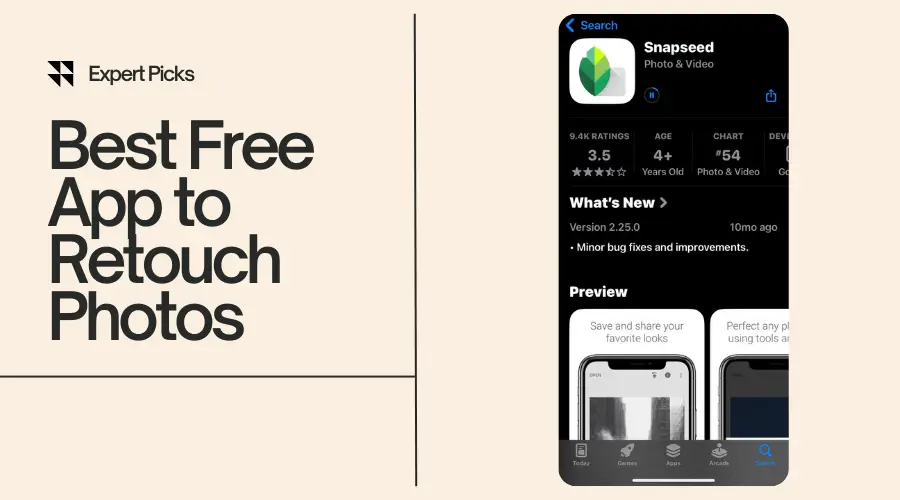
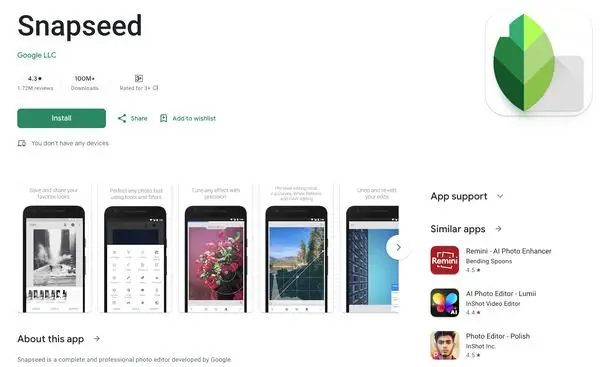
Best free app to retouch photos—that’s exactly what you’re searching for, right? They are really useful if you’re fixing a quick selfie, smoothing out skin, or removing something from the background. In 2025, there are plenty of options out there. But only a few actually deliver pro-level results without costing you a dime. So, what’s the best free app to retouch photos? Snapseed is hands down one of the best free apps for photo retouching out there. It’s simple and powerful. Also, it gives you the tools you need to retouch photos fast. All this can be done without watermarks or complicated steps. In this post, I’ll walk you through the top free photo retouching apps you can start using right now. I will cover easy-to-understand breakdowns, pros and cons, and tips for flawless edits. Let’s jump in and find your new favorite photo-fixing sidekick! 🏆 2025 Roundup – Best Free Apps to Retouch Photos When I searched for the best free app for retouching photos, I didn’t want a long list full of junk. I wanted fast, clean edits with no hidden costs. That’s exactly what I’ve put together here. I’ve tested each of these best photo retouch app myself. So what you’ll read below is based on real use, not just features on paper. These mobile retouching apps are all free, beginner-friendly, and loaded with powerful photo face editor tools, image cleanup tools, and other must-have touch-up photo app features. Ready? Let’s find your favorite. 1. Snapseed – Best for Beginners 📱 Download Snapseed for Android📱 Download Snapseed for iOS If you’re just starting out, Snapseed is my top pick for the best free app to retouch photos. It’s super easy to learn and gives you control over your edits without being confusing. Key Retouching Features of Snapseed: Pros of Snapseed: ✅ Simple interface.✅ Great tools for photo face editing.✅ No ads or watermarks.✅ Best photo retouch app for Android and iPhone. Cons of Snapseed: ❌ No beauty filters.❌ Might feel basic if you want advanced AI. Ideal For: This is the best app to retouch photos for beginners who want clean and no-fuss retouching. 2. Adobe Photoshop Express – Best for Smart Auto Edits 📱 Download Adobe Photoshop Express for Android📱 Download Adobe Photoshop Express for iOS If you want smart editing with one tap then Adobe Photoshop Express is a solid option. It’s one of the best apps to retouch photos on iPhone. It’s made by Adobe, so the tools are solid, even in the free version. Key Retouch Features of Adobe Photoshop Express: Pros of Adobe Photoshop Express: ✅ Smart AI retouch tools✅ Powerful background cleanup✅ Trusted brand Cons of Adobe Photoshop Express: ❌ This best free photo retouch app requires Adobe account❌ Some features are locked behind the paywall. Ideal For: Anyone who wants smart auto edits without digging into details. 3. Lightroom Mobile – Best for Color Retouching 📱 Download Lightroom Mobile for Android📱 Download Adobe Lightroom for iOS If you’re picky about color then Lightroom Mobile is the best free photo retouching app. It’s free, clean, and gives amazing control over tones, lights, and shadows. Key Retouch Features: Pros of Lightroom Mobile: ✅ Pro-grade color control✅ Best for light and contrast tweaks✅ Non-destructive edits Cons of Lightroom Mobile: ❌ Takes time to learn❌ No built-in beauty filters Ideal For: Intermediate users who want natural-looking color edits. 4. AirBrush – Best for Portrait Retouching 📱 Download Airbrush for Android📱 Download Airbrush for iOS AirBrush is the best free photo retouch app for iPhone when I want to edit selfies or portraits. It’s packed with photo face editor tools that smooth skin, whiten teeth, and more—all free. Key Retouch Features of AirBrush: Pros of AirBrush: ✅ Fast beauty retouching✅ Realistic results✅ Great for social media Cons of AirBrush: ❌ Some tools need premium❌ Ads can be annoying Ideal For: Selfie lovers and beauty bloggers. 5. YouCam Perfect – Best for Beauty Filters 📱 Download YouCam Perfect for Android📱 Download YouCam Perfect for iOS YouCam Perfect is great if you love filters that do the job for you. With one tap, it smooths skin, brightens eyes, and adds glow. No effort needed! Key Retouch Features of YouCam Perfect: Pros of YouCam Perfect: ✅ One-tap beauty edits✅ Easy to use✅ Great for Instagram-ready photos Cons of YouCam Perfect: ❌ Watermark unless you upgrade❌ Limited manual control Ideal For: Quick edits before posting online. 6. Fotor – Best All-in-One App 📱 Download Fotor for Android📱 Download Fotor for iOS Fotor combines everything in one place. It works for retouching, collage making, and even basic design work. You don’t need multiple apps. Key Retouch Features of Fotor: Pros of Fotor: ✅ Multi-purpose tool✅ Clean UI✅ Built-in AI tools Cons of Fotor: ❌ Some features require login❌ Ads pop up frequently Ideal For: Anyone who wants editing and design in one free app. 7. PicsArt – Best for Creative Edits 📱 Download PicsArt for Android📱 Download PicsArt for iOS PicsArt isn’t just a retouching app—it’s a playground. If you want to combine retouching with creative effects, this is where I have the most fun. Key Retouch Features of PicsArt: Pros of PicsArt: ✅ Huge effects library✅ Fun tools and templates✅ Easy to share directly to social Cons of PicsArt: ❌ Interface can feel busy❌ Ads without subscription Ideal For: Creative users and Gen Z editors. 8. PhotoDirector – Best for AI Retouching 📱 Download PhotoDirector for Android📱 Download PhotoDirector for iOS If you’re into AI tools, PhotoDirector is one of the best touch-up photo apps right now. It’s free and includes futuristic features for editing. Key Retouch Feature of PhotoDirectors: Pros of PhotoDirectors: ✅ Smart and fast✅ Good results with AI✅ Constant updates Cons of PhotoDirectors: ❌ Limited manual edits❌ Ads unless you subscribe Ideal For: Users who want quick results with minimal input. 9. Pixlr – Best for Fast Fixes 📱 Download Pixlr for Android📱 Download Pixlr for iOS Sometimes, I just want to do a quick
How to Photo Retouch in Photoshop Like a Pro in Minutes (2025)

Ever taken a great photo, but there’s just one thing off? Maybe a pimple showed up last minute. Maybe the lighting made your skin too shiny. Or maybe there’s just something in the background that ruins the whole vibe. I’ve been there, and if you’ve felt the same, you’re not alone. That’s where photo retouching comes in. In simple terms, photo retouching means fixing or improving parts of a photo to make it look better. You’re not changing who someone is, you’re just polishing the image. You can smooth skin, remove blemishes, whiten teeth, reduce shine, and clean up messy backgrounds. These little tweaks can make a big difference. If you’ve ever wondered how to photo retouch in Photoshop then you’re in the right place. Photoshop might look scary at first. But once you understand which tools to use and how to use them, it becomes super easy—even fun. In this blog post, I’ll show you step-by-step how I retouch photos using Photoshop. You’ll learn how to remove blemishes, smooth skin naturally, whiten teeth, fix lighting, and more. I’ll also share the Photoshop retouching tools you need and explain when to use each one. Think of it as a friendly crash course to retouch like a pro, even if you’re brand new. This guide is perfect for: By the end, you’ll know exactly how to photo retouch in Photoshop without wasting hours. Let’s jump in and make those photos pop! 🎯 What is Photo Retouching in Photoshop? Photo retouching means cleaning up a photo. Such as removing small imperfections like pimples, wrinkles, and distracting background spots. Also, it includes smoothing skin, fixing lighting issues, and sometimes enhancing features like eyes or teeth. So, what’s the difference between retouching and regular photo editing? It’s simple. Photo editing is more about fixing exposure, adjusting colors, cropping, or changing brightness. It sets the foundation. But retouching adds that pro finish. It’s the step that makes a photo look polished. Especially for portraits or product shots. Now, I will explain how to do photo retouching in Photoshop. Let’s start by talking about the types of edits you can do: These edits help create a clean and professional image, without changing the person. When you know how to photo retouch in Photoshop, you’ll be able to take almost any image and make it look sharper and cleaner. And you don’t need years of experience—you just need the right tools and steps. Contact Us for Professional Photo Retouching Service With Free Trial Let’s talk about that next 👇 Tools You’ll Need to Retouch Photos in Photoshop Before you start retouching a photo you need to open Photoshop. Make sure you’ve got your favorite tools ready. These tools help you work faster and smarter. Here are the must-haves if you want to learn how to photo retouch in Photoshop: 🔧 Spot Healing Brush Tool This is my go-to for small spots. Just click on a blemish, and it disappears. It blends with the nearby skin like magic. 🧽 Clone Stamp Tool I use this for bigger cleanups. It copies one part of the image and pastes it over another. It’s great for removing background mess or fixing skin areas. ✂️ Patch Tool You can drag this tool around an area you want to fix. Then move it to a better patch of skin. Photoshop blends it in. I like using it for under-eye bags or wrinkles. 🌞 Dodge & Burn Tool These tools help lighten (Dodge) or darken (Burn) areas. I use Dodge to brighten eyes and Burn to add depth to cheekbones or jawlines. 💧 Blur Tool If some areas look too sharp like harsh pores or razor bumps. I gently use the Blur Tool to soften the spot. 🎛️ Adjustment Layers (Curves, Levels, etc.) These layers help me fix lighting, color balance, and skin tones. The best part? You can go back and change them anytime without ruining the image. These are the core Photoshop retouching tools you should always have on hand. They’re easy to learn. Once you know what each one does, you’ll start seeing big results. 📎 You can also check out Adobe’s official guide for more on retouching and repair tools. ✅ Quick checklist before you start: ✔ Open your image in Photoshop.✔ Duplicate the background layer (so you don’t edit the original).✔ Set up a healing brush, patch tool, and clone stamp.✔ Add an empty layer for non-destructive edits.✔ Keep Adjustment Layers ready to tweak colors or exposure. Trust me, when you know how to use these tools, photo touch-up becomes fast and fun. You’ll feel confident every time you retouch an image. And if you’re still unsure where to begin, no worries. Let’s jump into your first edit together 🎯 Check this complete guide about photo retouching. How to Photo Retouch in Photoshop – Step by Step ✨ How to Do Basic Skin Retouching Alright! Time to get hands-on. This is the part where I show you how to retouch photos with Adobe Photoshop step by step. Let’s start with basic skin retouching. Most photos I retouch start with the skin. People want to look clean, fresh, and natural. They don’t want overly airbrushed. So you should try to fix spots while keeping the texture. 🪄 Step 1: Remove Blemishes You need to zoom into the face and grab the Spot Healing Brush Tool. Click once over a pimple or spot and boom, it’s gone. If the skin is a little uneven or textured, I use the Patch Tool. I drag around the area I want to fix and swap it with cleaner skin nearby. For tougher spots. I usually bring in the Clone Stamp Tool and gently paint over the area with nearby texture. 🧴 Step 2: Smooth the Skin Naturally Here’s where most people mess up. They blur too much. That’s why I use Frequency Separation. Sounds technical, but I’ll explain. Basically, I split the image into two layers: Then, I blur the tone layer to
10 Best Online Photo Retouching Services Transform Your Photos

The best online photo retouching service is what you need when your photos don’t match the moment you captured. Professional photo retouching services can remove distracting background, uneven skin tone, or just poor lighting and give your images that professional look without doing it all yourself. So, what’s the best online photo retouching service? The short answer: It depends on your needs. Some services are perfect for quick face touch-ups, while others specialize in product editing, wedding photos, or high-end portrait work. In this post, I’ll walk you through the top 10 services that stand out for their quality, speed, and value—no editing skills required. So stay with me because by the end of this post, you’ll know exactly which best online photo retouching service fits your budget, your goals, and your photos 📸 10 Best Online Photo Retouching Services 1. Smart Clipping – Best Online Photo Retouching Service Provider Smart Clipping is a professional online photo retouching service specializing in eCommerce and bulk photo retouching. They offer services like background removal, image masking, ghost mannequin effects, highend retouching, color correction and many more. Smart Clipping is Best For: Top Features of Smart Clipping: Pros: Cons: Price Range: Who Should Use It: Personal Verdict: If you’re managing an online store and need consistent and high-quality product images, then Smart Clipping is the best reliable choice for bulk photo retouching. 🎨 Contact Smart Clipping for Professional Photo Retouching! 2. FixThePhoto FixThePhoto is a well-established online photo retouching service. They offer a wide range of editing options. Their services include portrait and beauty retouching, wedding photo editing, and more. FixThePhoto is Best For: Top Features of FixThePhoto: Pros: Cons: Price Range: Who Should Use It: Personal Verdict: I recommend them for those looking for professional photo editing. FixThePhoto stands out as one of the best online photo retouching services available. 3. Retouchup Retouchup offers affordable photo retouching services with a focus on simplicity and quick delivery, catering to both professionals and individuals. Retouchup is Best For: Top Features of Retouchup: Pros: Cons: Price Range: Who Should Use It: Personal Verdict: Retouchup is a great option for those seeking efficient and affordable photo retouching services without compromising on quality. Best Professional Ecommerce Image Editing Services 4. Pixelz Pixelz specializes in professional photo editing services for eCommerce, offering background removal, retouching, and other enhancements tailored for product images. Pixelz is Best For: Top Features of Pixelz: Pros: Cons: Price Range: Who Should Use It: Personal Verdict: Best for businesses needing consistent and high-quality product image editing. Pixelz offers one of the best online photo retouching services tailored for eCommerce. 5. WeEdit.Photos WeEdit.Photos provides professional photo editing services with a focus on wedding and portrait photography. They deliver personalized edits to match your style. WeEdit.Photos is Best For: Top Features of WeEdit.Photos: Pros: Cons: Price Range: Who Should Use It: Personal Verdict: WeEdit.Photos is an excellent choice for those wanting personalized and professional photo editing. They are one of the best online photo retouching services for weddings and portraits. 6. PhotoRetouchingUp PhotoRetouchingUp gives photographers the freedom to submit detailed instructions. They’re flexible with styles and can handle both basic and complex edits. What They’re Best For: Top Features: Pros: Cons: Price Range: Who Should Use It: Personal Verdict: If you want to give clear input on your editing style, PhotoRetouchingUp is worth trying. It’s one of the best online photo retouching services for photographers who know exactly what they want. 7. Fiverr Retouchers Fiverr is a freelancing marketplace where you can find hundreds of photo retouchers offering everything from basic edits to advanced retouching. What They’re Best For: Top Features: Pros: Cons: Price Range: Who Should Use It: Personal Verdict: Fiverr can surprise you. I’ve found solid editors for $10 or less. If you’re okay with shopping around, it can be the best online photo retouching service on a tight budget. Helpful Tip: Here’s a guide to finding the right freelancer on Fiverr. 8. Clipping Path India Clipping Path India offers background removal, shadow creation, and image retouching for product photos. They work mostly with eCommerce sellers. What They’re Best For: Top Features: Pros: Cons: Price Range: Who Should Use It: Personal Verdict: If your main concern is product presentation, Clipping Path India is one of the best online photo retouching services for background cleanup and color balance. 9. HighEndBeautyRetouching.com This site focuses on fashion, editorial, and glamor photo editing. They work with photographers and models needing that sharp, polished finish you’d see in magazines. What They’re Best For: Top Features: Pros: Cons: Price Range: Who Should Use It: Personal Verdict: If you want your photos to look like they belong in Vogue, this is the best online photo retouching service for that glamor-magazine vibe 💄 10. Upwork Freelancers Upwork is another freelance platform where you can post a job and hire editors who match your style and budget. What They’re Best For: Top Features: Pros: Cons: Price Range: Who Should Use It: Personal Verdict: I like Upwork for building lasting relationships with editors. If you value consistency and custom edits, this could be the best online photo retouching service for you long term. 🏆 Comparison Chart: Best Online Photo Retouching Services Here’s a comparison chart summarizing the best online photo retouching services mentioned earlier: Service Best For Top Features Pros Cons Starting Price ✅ Smart Clipping All-in-one editing for businesses & creatives Image retouching, clipping path, background removal, bulk support, fast delivery Affordable, great quality, bulk-friendly, great support UI could improve visually for first-time users $0.29 – $3.00/image FixThePhoto Portraits and individual users Manual retouching, wedding edits, Photoshop-based workflow Good for detailed edits, has mobile app Slower turnaround, higher cost for volume $6 – $30/image Retouchup Basic retouching and volume edits Teeth whitening, glare removal, skin smoothing Fast service, low cost, simple process Limited high-end editing options $2 – $10/image Pixelz E-commerce and product images Background removal, ghost mannequin, color consistency Strong automation, built for eCom Not ideal for portrait or lifestyle images
How to Retouch Photos on iPhone in 2025 (Super Easy Steps)

📱Learn how to retouch photos on iPhone in 2025 with easy steps to create flawless, professional-looking photos in minutes!
Best Mouse for Photo Retouching in 2025 (Expert Tested)

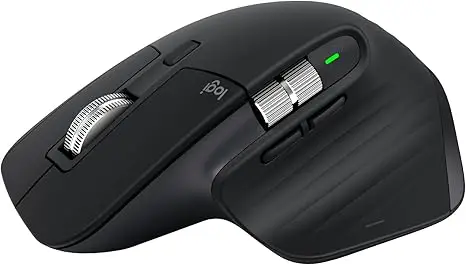
Best mouse for photo retouching — that’s the one tool no serious retoucher should overlook. If you’re brushing away blemishes in Photoshop or fine-tuning colors in Lightroom then you should get one with speed, comfort, and precision. Trust me, I’ve been down the rabbit hole of editing with both basic and high-end gear. Once you find the right mouse, there’s no going back. So, what is the best mouse for photo retouching in 2025? After testing a bunch of options, the Logitech MX Master 4 stands out as the best all-around choice. It’s ergonomic, ultra-precise, and comes loaded with customizable buttons that make editing feel buttery smooth. But that’s not the only great pick. Some are better for tight budgets, others for Mac users or stylus fans. In this guide, I’ll walk you through the best mice for photo retouching this year. I will cover pro-level features, hands-on insights, and a few underrated gems that might just surprise you. Let’s dive in! 🎨 Contact Us for Professional Photo Retouching Service! The Best Mouse for Photo Retouching in 2025 – Top Picks 1. Logitech MX Master 4 (2025 Edition) Great for multitasking and comfort If you ask me which is the best mouse for photo retouching, I’d say the Logitech MX Master 4 is a top contender. I’ve used every version since the MX Master 2S, and this new 2025 edition takes everything to the next level. The scroll wheel is ultra-smooth, the thumb rest feels great, and the programmable buttons are super useful. When I’m editing photos, I can zoom in, switch tools, or even undo an action with just a click or flick. That really saves me time. The sensor is super precise. It is perfect for detailed retouching in Photoshop or Lightroom. Also, it connects to multiple devices, which helps if you’re working between a desktop and laptop. Pros of Logitech MX Master 4 ✅ Comfortable ergonomic design✅ Precise 8000 DPI sensor✅ Customizable buttons for editing shortcuts✅ Works with macOS and Windows✅ Long battery life Cons of Logitech MX Master 4 ❌ A bit pricey❌ Takes time to get used to side scroll Price range: $99 – $119 Best for: Professionals, multitaskers, and daily editors Want to see it in action? Check the Logitech MX Master 4 on Logitech’s site for more details. Best photo retouching software for Mac 2. Apple Magic Mouse 3 Ideal for macOS users and minimalists The Apple Magic Mouse 3 might not look like your usual editing mouse, but it can be surprisingly helpful—especially if you’re a Mac user like me. I tested this mouse with Lightroom and Capture One on my MacBook, and the smooth touch surface gave me a unique editing feel. Now, I’ll be honest—it’s not the most ergonomic option out there. But for light retouching, browsing, and quick edits, it’s perfect. Gestures like swiping and scrolling with one finger make your workflow feel seamless. It charges via USB-C now, which is a nice upgrade from the old Lightning port. Pros of Apple Magic Mouse 3 ✅ Sleek and minimal look✅ Perfect integration with macOS✅ Multi-touch gestures are smooth✅ No setup needed Cons of Apple Magic Mouse 3 ❌ Not ideal for long editing sessions❌ Limited button customization Price range: $79 – $99Best for: macOS users, minimalists, light photo editors If you’re using a Mac, you’ll love the Apple Magic Mouse 3 for its style and simplicity. 3. Wacom Intuos Pro Pen + Touch (Bonus Pick for stylus fans) Okay, this isn’t a regular mouse, but I had to include it. If you take retouching seriously—like pixel-level serious then the Wacom Intuos Pro is the best mouse for photo retouching in your toolkit. I’ve used it for everything from skin smoothing to dodging and burning, and the pen pressure control makes all the difference. You get a natural hand movement. This helps when you’re working on portraits, product photos, or detailed composites. Also, the ExpressKeys on the tablet work just like mouse buttons. You can program them to fit your workflow. Pros of Wacom Intuos Pro Pen ✅ Insanely accurate✅ Pressure sensitivity gives you more control✅ Great for Photoshop, Lightroom, and Capture One✅ Custom ExpressKeys speed up workflow Cons of Wacom Intuos Pro Pen ❌ Not ideal for casual users❌ Steeper learning curve than a regular mouse Price range: $249 – $379Best for: Professionals, stylus lovers, detailed photo editing Curious how it compares to a mouse? Here’s a deep dive of Wacom Infus Pro Pen. 4. Razer Pro Click Mini High precision in a compact body If you want something small, sleek, and super accurate, the Razer Pro Click Mini deserves a spot on your desk. I bought this for travel editing on the go, and wow—it really punches above its size. The mouse has silent clicks (which I love during late-night edits) and a sharp 12,000 DPI sensor that handles delicate retouching tasks with ease. It’s great for both casual and serious editing sessions. The battery lasts a long time, and the build feels solid, even though it’s lightweight. Pros of Razer Pro Click Mini ✅ Compact and travel-friendly✅ Silent buttons for distraction-free work✅ Adjustable DPI up to 12,000✅ Bluetooth and wireless options Cons of Razer Pro Click Mini ❌ Might be too small for big hands ❌ Limited extra buttons for advanced shortcuts Price range: $69 – $89Best for: Travel editors, compact workspace users, casual retouchers You can learn more about it on Razer’s official product page. 5. Kensington Expert Mouse Wireless Trackball A unique choice for retouchers who hate traditional mice Now, if you’re someone who hates moving a mouse around or dealing with wrist pain (like I did after long sessions), the Kensington Expert Mouse Wireless Trackball could be your wildcard pick for the best mouse for photo retouching. It’s not a mouse in the traditional sense. Rather it’s a large trackball you control with your fingers, and that’s what makes it so interesting. The ball gives you precise control with very little wrist movement.
Best AI Photo Retouching App for Stunning Edits (2025)

AI photo retouching apps is changing the game for photographers, content creators, and everyday users who want stunning edits without spending hours in Photoshop. If you’re cleaning up a selfie, perfecting a portrait, or enhancing a product shot then AI tools can now do most of the heavy lifting for you. So, what is the best AI photo retouching apps for stunning edits? You can retouch photos with AI with some of the best apps including – Luminar Neo, Fotor AI Editor, Picsart, Remini, and Facetune. The best tools combine speed, accuracy, and smart features like skin smoothing, blemish removal, background cleanup, and even lighting correction. All are powered by artificial intelligence. From beginner-friendly apps to advanced desktop editors, there’s an AI to retouch photos for every editing style and skill level. In this guide, I’ll walk you through the top AI photo retouching software available today, what features to look for, and how to pick the right one for your editing needs. Let’s dive in! 🎨 Contact Us for Professional Photo Retouching! The 10 Best AI Photo Retouching Apps for Stunning Edits 1. Luminar Neo – Smart AI ai Photo Retouch Software for Pro-Level Results If you’re looking for AI photo retouching app that feels powerful but doesn’t overwhelm you, Luminar Neo is a great choice. I use it when I want fast edits with a high-quality look. What makes Luminar Neo stand out is how smart its tools are. The AI-powered skin retouching automatically smooths skin, removes blemishes, and keeps natural textures. It also has Relight AI to fix uneven lighting and Portrait Bokeh AI to blur the background just like DSLR cameras. The Sky AI lets you swap out dull skies in seconds. It’s perfect for photographers who need to save time by retouch photos with ai. You will get a polished and clean look in their photos. ✅ Best for: Photographers who want pro results fast Download Skylum’s Luminar Neo 2. Fotor AI Editor – Simple and Fast Ai Retouch Photo Free Fotor AI Editor is one of the easiest tools I’ve used for photo touch-ups. It’s a lightweight, browser-based AI photo retouching software that works great if you’re just starting out. With one click this AI photo retoucher can fix skin tone, reduce wrinkles, and smooth out imperfections. It’s perfect when I need to quickly clean up a selfie or adjust lighting before uploading to social media. The automatic photo retouching tools make it super user-friendly. You don’t need to tweak settings manually. It does the heavy lifting for you. If you want a clean, bright look without learning Photoshop, this is a solid pick. ✅ Best for: Beginners and casual users Try Fotor’s AI photo retouching free 3. Picsart AI Tools – Creative AI Photo Retouch Online Free If you’re editing on your phone and want something creative, I recommend Picsart AI Tools. It’s more than just a photo retouching app. It comes with fun and effective tools like a face enhancer, blemish remover, and even AI hair color changer. The app is super fast. I can edit photos in under a minute and share them right to Instagram. The photo beautification AI gives a natural glow, adjusts tones, and makes small edits that improve the photo without making it look fake. This AI photo retoucher also includes trendy filters, text, and stickers—perfect for content creators or influencers looking to boost their visual game. ✅ Best for: Social media creators who need quick and stylish edits Download Picsart AI Photo Editor 4. Remini AI – Best for Restoring Old or Blurry Faces Remini AI saved a bunch of my old family photos. It’s one of the most talked-about AI photo retouching app options because of its ability to fix blurry, low-quality, or old pictures in seconds. I uploaded a grainy photo once, and Remini cleaned up the face with stunning clarity. This AI photo retoucher AI face enhancer boosts sharpness, reduces noise, and recovers facial details that seem lost. It works especially well for portraits, making it a favorite for photographers and even people restoring old prints. The app works on mobile, so you can fix images right from your phone. ✅ Best for: Face restoration and portrait clarity Download Remini for Mobile 5. BeFunky AI Photo Editor – Balanced AI Retouching Photo Features for Business and Personal Use BeFunky offers a great balance between control and automation. It’s another solid AI photo retouching app that includes smart tools like AI background remover, skin softening, and eye enhancement. I’ve used it to clean up product photos for online stores and also for retouching casual portraits. It doesn’t feel too technical, but it still gives you room to tweak edits if you want a custom touch. Their automatic editing tools are perfect for small business owners who need clean, polished images without paying for expensive design help. ✅ Best for: Small business owners and marketers Explore BeFunky AI Tools These five tools are just the beginning. There are even more options coming up that I personally tested and found helpful for different types of editing. It can be beauty, product, or lifestyle content. Keep scrolling to find the next five picks in this guide on the best AI photo retouching app for stunning edits. If you’re liking what you’ve seen so far, you’re going to love what’s next! 💡 6. Adobe Photoshop (Neural Filters) When I need full control over editing, I go with Adobe Photoshop. The Neural Filters inside Photoshop give me the power of both manual photo editing and AI-based image retouching. That combo is hard to beat. I can smooth skin, adjust facial features, and even change the direction of someone’s gaze with just a few sliders. These smart AI filters help speed things up without losing quality. I mostly use this tool when I’m working on detailed client portraits or commercial photo edits. It’s perfect for people who already understand layers and masking. ⚠️ Note: Photoshop is part of Adobe’s