

Why AI Is The Most Powerful eCommerce Trend – Here’s What You Must Know

Why AI is the most powerful eCommerce trend? Because it automates complex tasks, predicts customer behavior, and enhances the shopping experience like never before. Businesses are using AI to boost sales and improve customer satisfaction. For example – personalized recommendations and AI-powered chatbots. If you’ve ever seen Amazon suggest products based on your browsing history or received a perfectly timed discount email, that’s AI at work. But AI isn’t just for big companies. Small and mid-sized eCommerce stores can use it too. If you’re looking to optimize pricing, manage inventory, or engage customers then AI can help. In this post, I’ll break down: By the end, you’ll see why AI isn’t just another trend but it’s the future of eCommerce. 📞 Contact Smart Clipping for Editing Trending Ecommerce Products! The Rise of AI in eCommerce What Is AI in eCommerce? AI in eCommerce refers to using smart algorithms and machine learning to automate processes, understand customer behavior, and improve online shopping experiences. It also helps businesses make better decisions, optimize marketing, and deliver personalized experiences that drive sales. Here’s how AI is transforming eCommerce: Why is AI the most influential eCommerce trend? Because it removes guesswork and allows businesses to scale faster with fewer mistakes. AI-powered tools are now so advanced that they can even predict what products will sell best next season. It also helps the businesses stay ahead of the competition. A good example is Amazon’s recommendation engine. This contributes up to 35% of its sales by suggesting products customers are likely to buy. AI-driven personalization is no longer a luxury but it’s a necessity. The Growth of AI in the eCommerce Industry AI adoption in eCommerce is growing rapidly, with businesses of all sizes leveraging it to stay competitive. Check out these numbers: Big players like Amazon, Shopify, and eBay are at the forefront of this shift: AI isn’t just for tech giants. Even small businesses can implement AI through affordable tools like Tidio (AI chatbots), Prisync (dynamic pricing), and Clerk.io (AI-driven product recommendations). A great real-world example is Nike. They implemented AI-powered personalization and saw a 30% increase in conversion rates. This proves that businesses using AI to enhance the customer journey can see a direct impact on their bottom line. AI is a must-have for eCommerce success. Stay tuned as I dive deeper into how you can use AI in your online store. 🚀 What Are The Best Upcoming Trends In Ecommerce 2025 2. How AI Is Revolutionizing eCommerce AI is changing the way online businesses operate. From personalized recommendations to smart pricing strategies, AI helps eCommerce stores provide better shopping experiences while increasing sales. Let’s dive into the key ways AI is transforming the industry. i) AI-Powered Personalization One of the biggest reasons why AI is the most influential eCommerce trend is its ability to personalize shopping experiences. AI also studies customer behavior, purchase history, and preferences to suggest products that people are more likely to buy. You’ve probably seen this on Amazon, where AI recommends products based on your past purchases and browsing habits. These personalized suggestions drive 35% of Amazon’s total sales. AI also powers Netflix-style shopping experiences. This is where customers see items that match their interests the same way they get movie recommendations. The impact of AI-driven personalization is huge: Retailers using AI-powered personalization see up to a 26% increase in revenue compared to those who don’t. If you want to grow your store, investing in AI-driven recommendations is a no-brainer. ii) AI Chatbots & Virtual Assistants AI chatbots are changing the way online stores handle customer service. These smart bots can answer questions, recommend products, and even help complete purchases. It can also provide support 24/7. Why are AI chatbots so powerful? Shopify’s Kit and ChatGPT-powered customer support tools help businesses provide fast and automated assistance. Many eCommerce brands report that chatbots have cut customer support costs by 30% while improving satisfaction. If you run an online store then AI chatbots can help you provide round-the-clock customer support without hiring extra staff. iii) AI in Inventory & Supply Chain Management Managing inventory is a challenge for any online business. Too much stock? You lose money. Too little stock? You miss sales. This is where AI helps. AI analyzes past sales data, seasonal trends, and customer demand to predict inventory needs. This prevents stock shortages and helps businesses avoid overstocking too. A great example is Walmart, which uses AI to optimize its supply chain. The company has reduced stockouts by 30% and improved efficiency by automating order management. AI-powered inventory tools also help small and mid-sized businesses by reducing human errors and saving time. If you’re selling online then using AI for inventory tracking can help you manage stock better and boost your store’s profitability. iv) AI-Driven Pricing Strategies AI doesn’t just improve shopping experiences. It also helps businesses set the perfect price for their products. Dynamic pricing tools powered by AI adjust product prices in real-time based on: This strategy is widely used in airlines and major eCommerce stores. Amazon changes product prices every 10 minutes using AI. This ensures it remains competitive. Retailers using AI-powered pricing increase revenue by up to 10% while improving customer satisfaction. If you want to stay ahead in eCommerce then using AI for pricing strategies can help you boost profits while staying competitive. Why AI is The Most Powerful Ecommerce Trend Now that we’ve covered how AI is transforming online shopping. Let’s talk about why AI is the most influential eCommerce trend and why every business should embrace it. i) AI Increases Conversions & Sales AI removes friction from the buying process. It also makes shopping faster and more personalized. Here’s how AI boosts sales: For example, Sephora uses AI-driven recommendations to personalize beauty product suggestions and increased conversions by 20%. AI also helps with cart recovery. It can send reminders to customers who left without completing their purchase. If you want to grow your eCommerce sales, AI is the smartest tool
What Are The Best Upcoming Trends In Ecommerce 2025
Want to know what are the best upcoming trends in eCommerce for 2025? Curious about how AI, social commerce, and ultra-fast delivery are reshaping online shopping? eCommerce is evolving faster than ever, and staying ahead of the trends is key to success. From AI-driven personalization to shopping on social media, major changes are coming that will redefine how people buy and sell online. Businesses that adapt will thrive, while those that don’t risk falling behind. In this post, I’ll walk you through the biggest eCommerce trends to watch in 2025. Whether you’re a business owner, marketer, or just an online shopper, you’ll want to know how these trends will impact the future of online shopping. Let’s dive in! 📞 Contact Smart Clipping for Editing Trending Ecommerce Products! What Are the Current Trends in eCommerce? – 2025 1. The Rise of AI-Driven Shopping Experiences AI is changing how we shop online. From personalized recommendations to voice searches, AI is making eCommerce faster, smarter, and more convenient. If you’re wondering what are the best upcoming trends in eCommerce, AI-driven shopping is at the top of the list. Let’s break it down. AI-Powered Personalization AI is making online shopping feel personal. Have you ever noticed how Amazon or Netflix seems to know what you want before you do? That’s AI-powered personalization at work. Voice Commerce Expansion Voice commerce is getting bigger. With devices like Alexa and Google Assistant, more people are using voice search to shop. This is why AI is the most influential eCommerce trend right now. Want to optimize for voice search? Here’s a great guide. AI-Powered Product Discovery Finding products online is easier than ever thanks to AI-powered search tools. AI is reshaping how we find and buy products. Businesses that embrace these changes will stay ahead of the competition. How to Check Ecommerce Market Trends 2. Social Commerce: Shopping on Social Media Gets Bigger Social media isn’t just for scrolling anymore. It’s now a major shopping platform. If you’re asking what are the best upcoming trends in eCommerce, social commerce is one of the biggest shifts happening right now. The Rise of Shoppable Content Have you ever seen a product on Instagram and wanted to buy it instantly? That’s shoppable content in action. Social commerce is growing fast. Businesses that leverage it will reach more customers and sell more products. Live Shopping Events Live shopping is like a digital version of home shopping TV. Want to start live shopping? Check out this guide. The Role of User-Generated Content (UGC) People trust other customers more than ads. That’s why UGC is so powerful. Encouraging customers to share photos and reviews can boost your brand’s credibility and sales. What Are the Current Trends in eCommerce? 3. The Boom of Augmented Reality (AR) and Virtual Reality (VR) Shopping Shopping online has one big problem—customers can’t try products before buying. AR and VR are solving that issue. If you’re wondering what are the best upcoming trends in eCommerce, AR and VR are game changers. i) Virtual Try-Ons and Showrooms AR lets customers try products before they buy. Want to see AR shopping in action? Check out this example. ii) Virtual Reality Shopping Experiences VR lets shoppers step into a virtual store. AR and VR are changing online shopping. Businesses that invest in these technologies will stand out. How to Use Google Trends for eCommerce – Complete Guide 4. Sustainability & Green Commerce More shoppers are choosing eco-friendly brands. If you’re asking what are the best upcoming trends in eCommerce, sustainability is a major focus. i) Eco-Friendly Packaging and Carbon-Neutral Shipping Shoppers care about how products are packaged and delivered. ii) Sustainable and Ethical Sourcing Consumers prefer brands that source products responsibly. iii) Second-Hand & ReCommerce Growth The resale market is booming. Sustainability isn’t just a trend—it’s the future of eCommerce. How to Find Trending Ecommerce Products – Proven Ways to Spot Winners 5. Faster, Smarter Delivery Options Speed matters in eCommerce. If you’re still asking what are the best upcoming trends in eCommerce, look at how delivery is evolving. i) Drone and Autonomous Vehicle Deliveries Drones and robots are making deliveries faster. ii) Ultra-Fast 15-Minute Delivery Services People want their orders fast. iii) Warehouse Automation & Smart Logistics AI is streamlining warehouses. Faster delivery is becoming the standard. Businesses must keep up to stay competitive. How to Find Ecommerce Trending Keywords That Bring Success 6. The Evolution of Payment Methods Online shopping is becoming faster, easier, and more flexible, and payment methods are evolving to keep up. In 2025, eCommerce will continue shifting toward digital-first transactions, offering customers more ways to pay conveniently. i) The Rise of Buy Now, Pay Later (BNPL) BNPL services like Klarna, Afterpay, and Affirm are changing how people shop. Instead of paying upfront, customers can split their purchases into smaller, interest-free installments. This trend is making expensive products more accessible, boosting conversion rates for online stores. For eCommerce businesses, BNPL can increase average order value (AOV) and attract budget-conscious shoppers. However, there are risks, including high transaction fees for merchants and potential debt issues for consumers. Finding the right BNPL provider and offering it as an option (without pushing it too aggressively) can improve sales without harming customer trust. ii) Cryptocurrency and Digital Wallets Cryptocurrency is becoming a bigger part of eCommerce. Major retailers like Overstock and Newegg already accept Bitcoin, and more businesses are considering it. Crypto payments offer lower transaction fees, increased security, and appeal to tech-savvy buyers. At the same time, digital wallets like Apple Pay, Google Pay, and PayPal are becoming the go-to payment method for many shoppers. They make checkout faster, reducing cart abandonment rates. With mobile shopping on the rise, optimizing your store for digital wallets is a smart move. iii) Subscription-Based Shopping Models Subscription eCommerce is booming, and it’s not just about beauty boxes or meal kits. Brands like Amazon Subscribe & Save, Dollar Shave Club, and BarkBox have proven that customers love the convenience of automatic deliveries. People enjoy
How to Check Ecommerce Market Trends – Best Ways to Stay Ahead 2025

Want to know how to check ecommerce market trends and stay ahead in 2025? Looking for the best ways to find winning products before your competitors do? The ecommerce industry is constantly changing. What’s trending today might be irrelevant tomorrow. If you’re not keeping an eye on market trends then you could miss out on profitable opportunities. Or, worse, get stuck selling outdated products. Successful online businesses don’t guess what will sell. Rather they use data and insights to make informed decisions. In this guide, I’ll show you: If you want to increase your sales, attract more customers, and future-proof your ecommerce business, you’re in the right place. Let’s dive in! 📞 Contact Smart Clipping for Editing Trending Ecommerce Products! How to Check Ecommerce Market Trends – Best Methods If you want to grow a successful ecommerce business, you need to stay ahead of market trends. Trends shape what people buy, how they shop, and which products will be profitable. The good news is that there are several easy ways to check ecommerce market trends and make informed decisions. Let’s go through the best methods step by step. 1. Using Google Trends for Ecommerce Market Research Google Trends is one of the simplest tools for tracking ecommerce trends. It shows how interest in a keyword changes over time, helping you predict demand. How to analyze search volume for trending products: Comparing keywords to predict market shifts: Real-world example: Let’s say you’re considering selling portable blenders. Google Trends shows a sharp increase in searches over the past year. That’s a sign that this product is in demand, making it a potential best-seller. What Are the Current Trends in eCommerce? Stay Competitive in 2025 2. Analyzing Social Media Trends and Influencer Insights Social media plays a huge role in ecommerce trends. Platforms like Instagram, TikTok, and Pinterest drive viral shopping trends. Tracking product trends on social media: Using Twitter and LinkedIn for industry discussions: Tools for monitoring viral product trends: How to Use Google Trends for eCommerce – Complete Guide 3. Leveraging Ecommerce Marketplaces for Trend Research Major online marketplaces provide valuable insights into consumer demand. Amazon Best Sellers & Movers & Shakers: eBay’s Trending Product Reports: Shopify’s Trending Products Dashboard: How to Find Trending Ecommerce Products – Proven Ways to Spot Winners 4. Competitor Analysis – How to Track What’s Working for Others Your competitors can give you a lot of insight into ecommerce trends. Monitoring competitors’ best-selling products: Analyzing website traffic trends with SimilarWeb & SEMrush: How to use Facebook Ads Library for trend insights: 5. Checking Industry Reports & Data-Driven Research Industry reports provide deep insights into ecommerce market trends. Best ecommerce research reports: Understanding economic and retail forecasts: Free vs. paid data sources: How to Find Ecommerce Trending Keywords That Bring Success 6. AI & Predictive Analytics – Future-Proofing Your Ecommerce Strategy Artificial intelligence is changing how businesses predict market trends. How AI tools predict market trends: Using machine learning for trend analysis: Best AI-powered ecommerce trend tools: Once I understand how to check ecommerce market trends, the next step is applying that knowledge to grow my business. Trends can guide everything from product selection to marketing strategies, pricing, and inventory management. Here’s how you can make trends work for your ecommerce success. 13 Best Cameras for Ecommerce Product Photos Finding Winning Products Based on Market Trends 1. How to Validate Product Demand Using Trends Data Before investing in a product, I always check if there’s real demand. You can use Google Trends to see if search interest is increasing or declining. If a product has steady or rising interest then it’s worth exploring. I also check Amazon Best Sellers and eBay’s trending products to confirm what’s selling right now. Another method I use is searching product-related hashtags on TikTok and Instagram to see if people are talking about it. Examples of Trending Products That Went Viral Trends come and go, but some products have skyrocketed thanks to market demand. A few examples: You can study these past successes to understand what makes a product trend. Tools to Confirm Market Demand Before Investing To make sure you are choosing the right product, you can use: By combining different tools, you get a clear picture before investing in inventory. 9 Top Professional Ecommerce Image Editing Services (2025) 2. Adjusting Your Marketing Strategy Based on Trends Personalization & AI-Driven Marketing Shoppers expect a personalized shopping experience now. You can use AI tools like Klaviyo and Optimizely to personalize emails, product recommendations, and website content. Leveraging Short-Form Video Content Short-form videos drive ecommerce sales. You can create TikTok and Instagram Reels showcasing trending products. If a product is going viral then jump on the trend by making before-and-after videos, quick demos, or user testimonials. Trend-Driven Influencer Marketing You can also find influencers already talking about trending products and collaborate with them. Micro-influencers (10k-100k followers) drive engagement and cost less than big influencers. I use Upfluence and Heepsy to find influencers in my niche. 3. Inventory & Supply Chain Management for Trend-Based Selling Avoiding Stockouts and Overstocking Trendy products sell fast, but the hype can fade. You should track real-time sales and adjust inventory accordingly. Forecasting tools like Inventory Planner helps you stock the right amount. Using Just-in-Time Inventory for Trend-Sensitive Products For fast-moving trends, you can use a just-in-time inventory system. This means you only order products when needed. This prevents overstocking. Working with Flexible Suppliers to Adapt Quickly You should choose suppliers who can scale production up or down quickly. Alibaba and Spocket helps to find flexible suppliers for trending products. 4. Pricing & Promotions Aligned with Market Trends How to Adjust Pricing for Trending vs. Evergreen Products Trending products often allow for higher margins. You can use dynamic pricing tools like RepricerExpress to adjust your prices based on demand. Seasonal Discount Strategies Based on Consumer Demand When a product is in high demand, you can bundle it with other products instead of discounting it. Once demand slows, run
What Are the Current Trends in eCommerce? Stay Competitive in 2025

🚀Discover what are the current trends in eCommerce and how to stay ahead in 2025! Boost sales with fast shipping, mobile shopping & BNPL.
How to Use Google Trends for eCommerce – Complete Guide

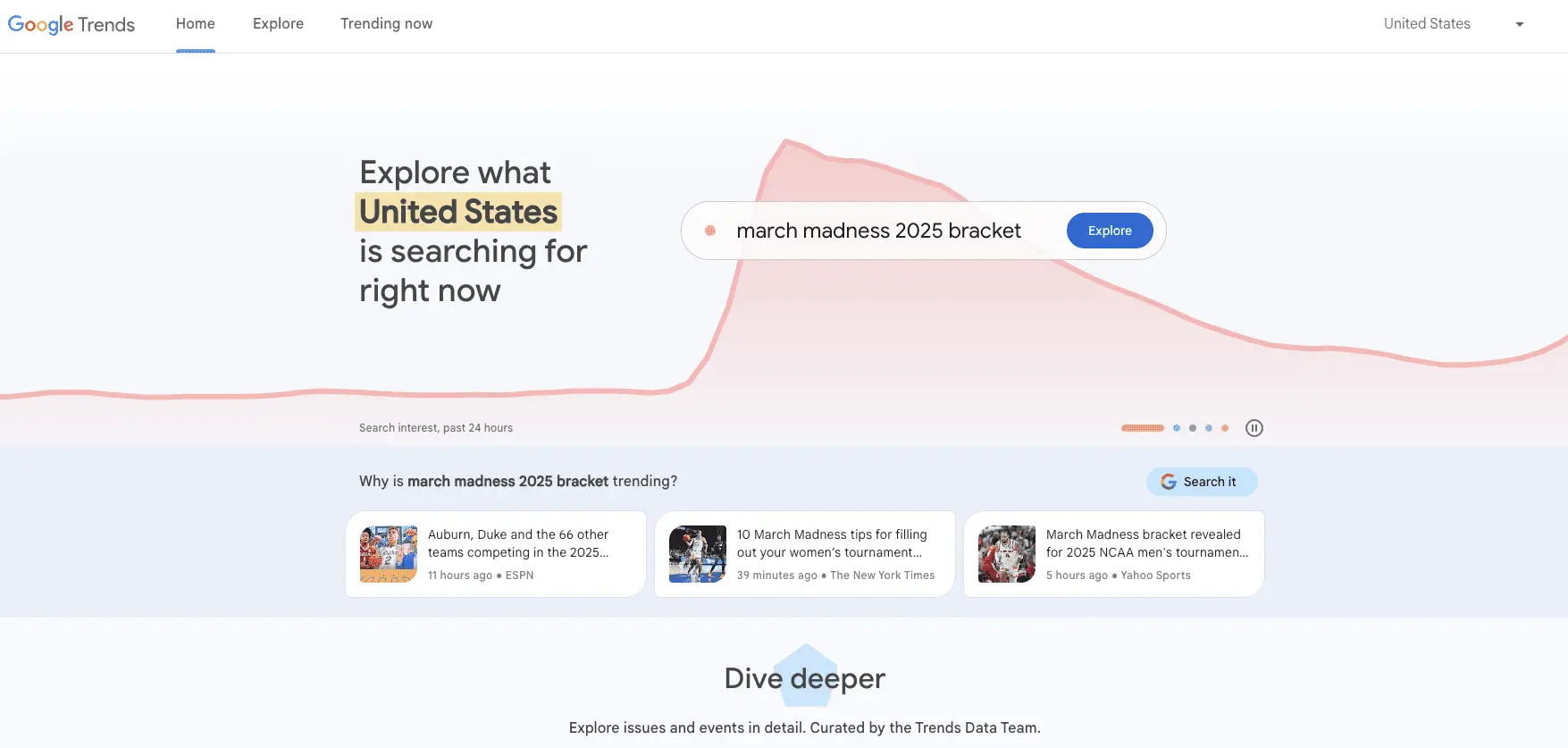
🚀Boost your sales with Google Trends! Learn how to use Google Trends for eCommerce to find winning products & stay ahead of competitors.

How to Find Trending Ecommerce Products – Proven Ways to Spot Winners

🔥Want to boost sales fast? Learn how to find trending ecommerce products before they go viral and start selling profitable winners today!
How to Find Ecommerce Trending Keywords That Bring Success

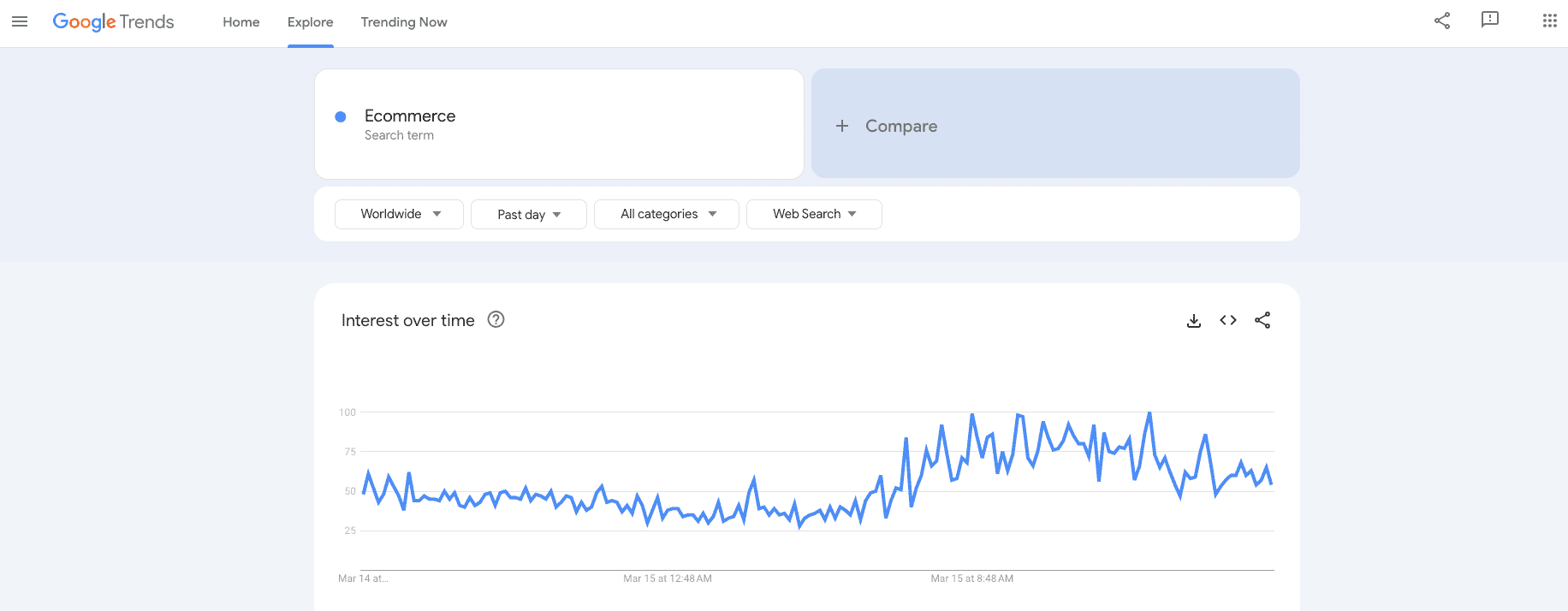
🔎Discover how to find ecommerce trending keywords to boost sales, rank higher, and drive targeted traffic. Get ahead of your competition now!