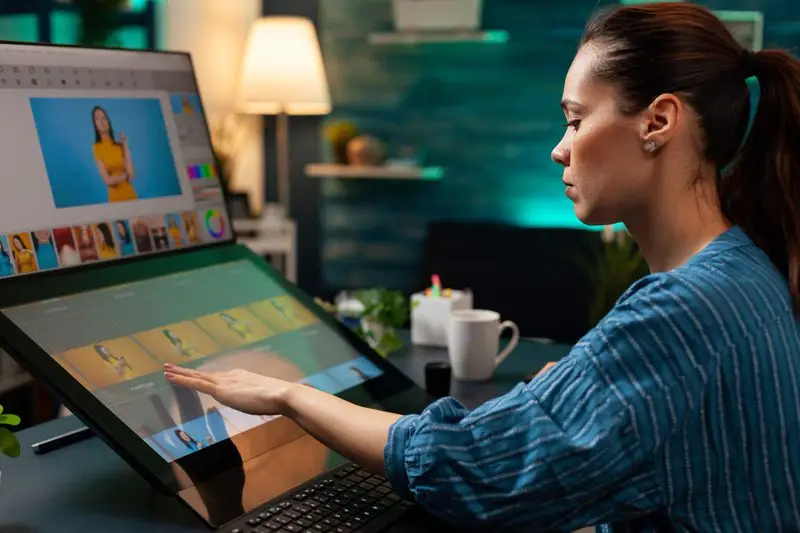
How to Become a Photo Retoucher: Step-by-Step Guide (2025)

I remember the first time I edited a photo. I thought a simple filter would do the trick. But as I learned more, I realized real photo retouching is what brings pictures to life. Today, brands, photographers, and businesses all expect their photos to look polished and professional. And that’s where skilled photo retouchers are making a real difference. 📸 With social media booming and e-commerce growing every day, the need for clean, beautiful images has exploded. Whether it’s a wedding album, a fashion shoot, or a product listing, retouched photos help create the perfect first impression. What You’ll Learn in This Guide In this guide, I’ll walk you through how to become a photo retoucher step-by-step. You’ll learn what photo retouching really means, what a photo retoucher does, how to start your career, how much you can earn, and how to price your services smartly. I’ll also share real-world tips to build your skills faster and stand out from the crowd. By the end, you’ll know exactly what it takes to start your journey as a professional photo retoucher! Is Becoming a Photo Retoucher Right for You? Becoming a photo retoucher can be a great choice if you love working with images, have an eye for detail, and enjoy making photos look their best. You don’t need an expensive degree or fancy studio equipment to get started. You just need passion, patience, and practice. If you’re wondering how to become a photo retoucher, you’re already on the right track! 🙌 Step-by-Step: How to Become a Photo Retoucher Step 1: How to Learn Photo Retouching 📚 When I first started, I kept asking myself: how to learn photo retouching fast without feeling overwhelmed? Honestly, the best ways are simple — take online courses, watch YouTube tutorials, and practice every single day. Websites like Udemy and Skillshare offer affordable courses if you want structured learning. YouTube is great too if you prefer free lessons. I personally started by watching free videos, then moved to paid classes when I got serious. Top Skills You Need to Develop: You might wonder, how does retouch work in photos? It’s basically about fixing imperfections while keeping the natural look. If you want a deeper dive, check out what does photo retouching mean to understand it better. Step 2: How to Become a Professional Photo Retoucher 🎯 Once you master the basics, you’ll naturally want to know how to become a professional photo retoucher. Here’s what worked for me: Are Certifications Worth It? Honestly, you don’t need a degree or certificate to succeed. But certifications from places like LinkedIn Learning can help you stand out when you’re starting. Still, your skills and your portfolio matter way more than a paper certificate. Step 3: How to Make a Photo Retouching Portfolio 📸 If you ask me, how to make a photo retouching portfolio is simple: Show your best work. Your portfolio must prove what you can do. What a Strong Portfolio Looks Like: How Many Samples Should You Include? Start with 10 to 15 solid examples. Quality beats quantity here! Free and Paid Platforms to Showcase Your Work: Step 4: How to Make Money Retouching Photos 💰 This is the exciting part — how to make money retouching photos! Freelance Platforms to Find Clients: Setting Up Your Services and Prices: When I started, I wasn’t sure how much do photo retouchers make or how much to charge for photo retouching. Here’s a simple guide: Setting your price depends on the time, effort, and type of client. This article about how much to charge for retouching photos helped me a lot when I was learning. Always list exactly what your service includes — like skin smoothing, blemish removal, or color balancing — to avoid confusion. Step 5: How to Start a Photo Retouching Business 🚀 If you want freedom, you’ll eventually think about how to start a photo retouching business. I went through it myself, and here’s how: Naming, Branding, and Legal Setup Basics: How to Build a Loyal Client Base: Before you know it, you’ll have repeat clients who trust you with all their projects. ✅ Quick Recap: We covered how to learn photo retouching, how to become a professional photo retoucher, how to make a photo retouching portfolio, how to make money retouching photos, and how to start a photo retouching business. If you ever wondered how much does a photo retoucher make, starting freelancers can earn $20,000–$50,000 per year. With more experience, your income can grow a lot more! How to Find Work as a Photo Retoucher When I first started learning how to become a photo retoucher, finding work felt a little scary. But trust me, once we know where to look and how to show our skills, it gets easier. Let’s go through it step-by-step! 🚀 1. Build a Strong Portfolio First Before we apply for any jobs, we must build a good portfolio. Clients want to see real examples. I always tell beginners to practice on sample photos and create a simple portfolio showing before-and-after edits. If you want help, here’s a great guide on how to make a photo retouching portfolio 📚. 💬 Tip: Show different types of edits like portraits, weddings, products, and magazines. Clients love seeing variety! 2. Create Profiles on Freelance Platforms One of the fastest ways to find work is by signing up on freelance websites. I created profiles on Upwork, Fiverr, and Freelancer. These places are perfect for beginners who want to start a photo retouching business. When we start, we can offer lower prices to get reviews. Later, we can raise our rates once we build trust and a good profile ⭐. 3. Reach Out to Photographers and Studios Directly Another way I found work was by reaching out directly. I made a list of wedding photographers, e-commerce studios, and portrait photographers. I sent them short emails introducing myself and offering a free trial edit. Since many people ask, “Do wedding photographers retouch photos?”
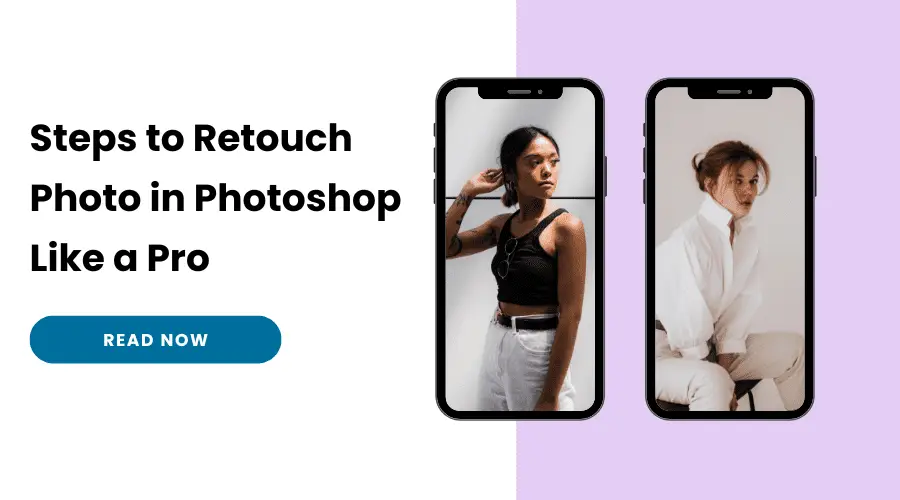
How to Photo Retouch in Photoshop Like a Pro in Minutes (2025)

Ever taken a great photo, but there’s just one thing off? Maybe a pimple showed up last minute. Maybe the lighting made your skin too shiny. Or maybe there’s just something in the background that ruins the whole vibe. I’ve been there, and if you’ve felt the same, you’re not alone. That’s where photo retouching comes in. In simple terms, photo retouching means fixing or improving parts of a photo to make it look better. You’re not changing who someone is, you’re just polishing the image. You can smooth skin, remove blemishes, whiten teeth, reduce shine, and clean up messy backgrounds. These little tweaks can make a big difference. If you’ve ever wondered how to photo retouch in Photoshop then you’re in the right place. Photoshop might look scary at first. But once you understand which tools to use and how to use them, it becomes super easy—even fun. In this blog post, I’ll show you step-by-step how I retouch photos using Photoshop. You’ll learn how to remove blemishes, smooth skin naturally, whiten teeth, fix lighting, and more. I’ll also share the Photoshop retouching tools you need and explain when to use each one. Think of it as a friendly crash course to retouch like a pro, even if you’re brand new. This guide is perfect for: By the end, you’ll know exactly how to photo retouch in Photoshop without wasting hours. Let’s jump in and make those photos pop! 🎯 What is Photo Retouching in Photoshop? Photo retouching means cleaning up a photo. Such as removing small imperfections like pimples, wrinkles, and distracting background spots. Also, it includes smoothing skin, fixing lighting issues, and sometimes enhancing features like eyes or teeth. So, what’s the difference between retouching and regular photo editing? It’s simple. Photo editing is more about fixing exposure, adjusting colors, cropping, or changing brightness. It sets the foundation. But retouching adds that pro finish. It’s the step that makes a photo look polished. Especially for portraits or product shots. Now, I will explain how to do photo retouching in Photoshop. Let’s start by talking about the types of edits you can do: These edits help create a clean and professional image, without changing the person. When you know how to photo retouch in Photoshop, you’ll be able to take almost any image and make it look sharper and cleaner. And you don’t need years of experience—you just need the right tools and steps. Contact Us for Professional Photo Retouching Service With Free Trial Let’s talk about that next 👇 Tools You’ll Need to Retouch Photos in Photoshop Before you start retouching a photo you need to open Photoshop. Make sure you’ve got your favorite tools ready. These tools help you work faster and smarter. Here are the must-haves if you want to learn how to photo retouch in Photoshop: 🔧 Spot Healing Brush Tool This is my go-to for small spots. Just click on a blemish, and it disappears. It blends with the nearby skin like magic. 🧽 Clone Stamp Tool I use this for bigger cleanups. It copies one part of the image and pastes it over another. It’s great for removing background mess or fixing skin areas. ✂️ Patch Tool You can drag this tool around an area you want to fix. Then move it to a better patch of skin. Photoshop blends it in. I like using it for under-eye bags or wrinkles. 🌞 Dodge & Burn Tool These tools help lighten (Dodge) or darken (Burn) areas. I use Dodge to brighten eyes and Burn to add depth to cheekbones or jawlines. 💧 Blur Tool If some areas look too sharp like harsh pores or razor bumps. I gently use the Blur Tool to soften the spot. 🎛️ Adjustment Layers (Curves, Levels, etc.) These layers help me fix lighting, color balance, and skin tones. The best part? You can go back and change them anytime without ruining the image. These are the core Photoshop retouching tools you should always have on hand. They’re easy to learn. Once you know what each one does, you’ll start seeing big results. 📎 You can also check out Adobe’s official guide for more on retouching and repair tools. ✅ Quick checklist before you start: ✔ Open your image in Photoshop.✔ Duplicate the background layer (so you don’t edit the original).✔ Set up a healing brush, patch tool, and clone stamp.✔ Add an empty layer for non-destructive edits.✔ Keep Adjustment Layers ready to tweak colors or exposure. Trust me, when you know how to use these tools, photo touch-up becomes fast and fun. You’ll feel confident every time you retouch an image. And if you’re still unsure where to begin, no worries. Let’s jump into your first edit together 🎯 Check this complete guide about photo retouching. How to Photo Retouch in Photoshop – Step by Step ✨ How to Do Basic Skin Retouching Alright! Time to get hands-on. This is the part where I show you how to retouch photos with Adobe Photoshop step by step. Let’s start with basic skin retouching. Most photos I retouch start with the skin. People want to look clean, fresh, and natural. They don’t want overly airbrushed. So you should try to fix spots while keeping the texture. 🪄 Step 1: Remove Blemishes You need to zoom into the face and grab the Spot Healing Brush Tool. Click once over a pimple or spot and boom, it’s gone. If the skin is a little uneven or textured, I use the Patch Tool. I drag around the area I want to fix and swap it with cleaner skin nearby. For tougher spots. I usually bring in the Clone Stamp Tool and gently paint over the area with nearby texture. 🧴 Step 2: Smooth the Skin Naturally Here’s where most people mess up. They blur too much. That’s why I use Frequency Separation. Sounds technical, but I’ll explain. Basically, I split the image into two layers: Then, I blur the tone layer to
Best Mouse for Photo Retouching in 2025 (Expert Tested)

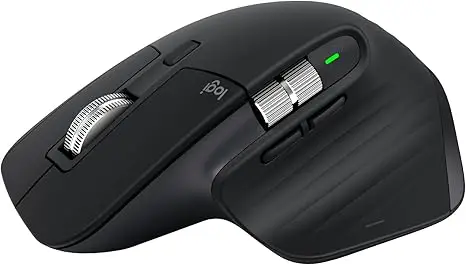
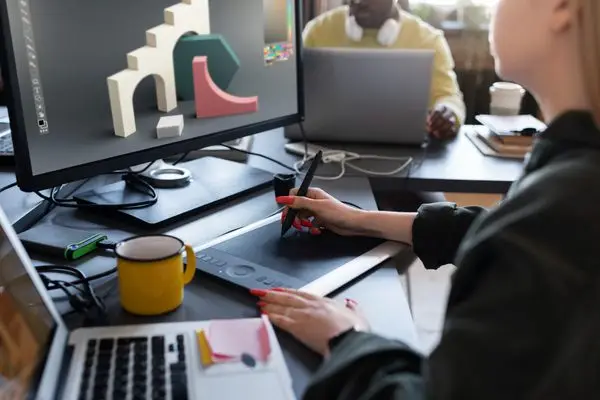
Best mouse for photo retouching — that’s the one tool no serious retoucher should overlook. If you’re brushing away blemishes in Photoshop or fine-tuning colors in Lightroom then you should get one with speed, comfort, and precision. Trust me, I’ve been down the rabbit hole of editing with both basic and high-end gear. Once you find the right mouse, there’s no going back. So, what is the best mouse for photo retouching in 2025? After testing a bunch of options, the Logitech MX Master 4 stands out as the best all-around choice. It’s ergonomic, ultra-precise, and comes loaded with customizable buttons that make editing feel buttery smooth. But that’s not the only great pick. Some are better for tight budgets, others for Mac users or stylus fans. In this guide, I’ll walk you through the best mice for photo retouching this year. I will cover pro-level features, hands-on insights, and a few underrated gems that might just surprise you. Let’s dive in! 🎨 Contact Us for Professional Photo Retouching Service! The Best Mouse for Photo Retouching in 2025 – Top Picks 1. Logitech MX Master 4 (2025 Edition) Great for multitasking and comfort If you ask me which is the best mouse for photo retouching, I’d say the Logitech MX Master 4 is a top contender. I’ve used every version since the MX Master 2S, and this new 2025 edition takes everything to the next level. The scroll wheel is ultra-smooth, the thumb rest feels great, and the programmable buttons are super useful. When I’m editing photos, I can zoom in, switch tools, or even undo an action with just a click or flick. That really saves me time. The sensor is super precise. It is perfect for detailed retouching in Photoshop or Lightroom. Also, it connects to multiple devices, which helps if you’re working between a desktop and laptop. Pros of Logitech MX Master 4 ✅ Comfortable ergonomic design✅ Precise 8000 DPI sensor✅ Customizable buttons for editing shortcuts✅ Works with macOS and Windows✅ Long battery life Cons of Logitech MX Master 4 ❌ A bit pricey❌ Takes time to get used to side scroll Price range: $99 – $119 Best for: Professionals, multitaskers, and daily editors Want to see it in action? Check the Logitech MX Master 4 on Logitech’s site for more details. Best photo retouching software for Mac 2. Apple Magic Mouse 3 Ideal for macOS users and minimalists The Apple Magic Mouse 3 might not look like your usual editing mouse, but it can be surprisingly helpful—especially if you’re a Mac user like me. I tested this mouse with Lightroom and Capture One on my MacBook, and the smooth touch surface gave me a unique editing feel. Now, I’ll be honest—it’s not the most ergonomic option out there. But for light retouching, browsing, and quick edits, it’s perfect. Gestures like swiping and scrolling with one finger make your workflow feel seamless. It charges via USB-C now, which is a nice upgrade from the old Lightning port. Pros of Apple Magic Mouse 3 ✅ Sleek and minimal look✅ Perfect integration with macOS✅ Multi-touch gestures are smooth✅ No setup needed Cons of Apple Magic Mouse 3 ❌ Not ideal for long editing sessions❌ Limited button customization Price range: $79 – $99Best for: macOS users, minimalists, light photo editors If you’re using a Mac, you’ll love the Apple Magic Mouse 3 for its style and simplicity. 3. Wacom Intuos Pro Pen + Touch (Bonus Pick for stylus fans) Okay, this isn’t a regular mouse, but I had to include it. If you take retouching seriously—like pixel-level serious then the Wacom Intuos Pro is the best mouse for photo retouching in your toolkit. I’ve used it for everything from skin smoothing to dodging and burning, and the pen pressure control makes all the difference. You get a natural hand movement. This helps when you’re working on portraits, product photos, or detailed composites. Also, the ExpressKeys on the tablet work just like mouse buttons. You can program them to fit your workflow. Pros of Wacom Intuos Pro Pen ✅ Insanely accurate✅ Pressure sensitivity gives you more control✅ Great for Photoshop, Lightroom, and Capture One✅ Custom ExpressKeys speed up workflow Cons of Wacom Intuos Pro Pen ❌ Not ideal for casual users❌ Steeper learning curve than a regular mouse Price range: $249 – $379Best for: Professionals, stylus lovers, detailed photo editing Curious how it compares to a mouse? Here’s a deep dive of Wacom Infus Pro Pen. 4. Razer Pro Click Mini High precision in a compact body If you want something small, sleek, and super accurate, the Razer Pro Click Mini deserves a spot on your desk. I bought this for travel editing on the go, and wow—it really punches above its size. The mouse has silent clicks (which I love during late-night edits) and a sharp 12,000 DPI sensor that handles delicate retouching tasks with ease. It’s great for both casual and serious editing sessions. The battery lasts a long time, and the build feels solid, even though it’s lightweight. Pros of Razer Pro Click Mini ✅ Compact and travel-friendly✅ Silent buttons for distraction-free work✅ Adjustable DPI up to 12,000✅ Bluetooth and wireless options Cons of Razer Pro Click Mini ❌ Might be too small for big hands ❌ Limited extra buttons for advanced shortcuts Price range: $69 – $89Best for: Travel editors, compact workspace users, casual retouchers You can learn more about it on Razer’s official product page. 5. Kensington Expert Mouse Wireless Trackball A unique choice for retouchers who hate traditional mice Now, if you’re someone who hates moving a mouse around or dealing with wrist pain (like I did after long sessions), the Kensington Expert Mouse Wireless Trackball could be your wildcard pick for the best mouse for photo retouching. It’s not a mouse in the traditional sense. Rather it’s a large trackball you control with your fingers, and that’s what makes it so interesting. The ball gives you precise control with very little wrist movement.
Steps for Photo Retouching in Photoshop in 2025

Photo retouching in Photoshop is easier and smarter than ever in 2025. With the latest tools, AI-powered features, and some classic techniques still holding strong, you can clean up a portrait, fix lighting, and make photos look amazing in just a few steps. If you’re wondering how to get started with photo retouching in Photoshop then here’s the short answer: you begin by working non-destructively and cleaning up skin and facial details. Then adjust color and lighting, enhance features with Dodge & Burn, and finally export in the right format—either for web or print. If you’re editing a headshot, fashion portrait, or product image then this step-by-step guide will walk you through every part of the process. Ready to make your photos stand out? Let’s dive right in! 👇 What Is Photo Retouching in Photoshop? Photo retouching in Photoshop means fixing or enhancing a photo to make it look better. It’s different from general photo editing. Editing changes the whole photo—like cropping or adjusting colors—while retouching focuses on fine details. Think of it like giving a picture a mini-makeover. 💅 You’ve probably seen it done in fashion shoots, LinkedIn headshots, or product images on Amazon. People use retouching to smooth skin, remove blemishes, whiten teeth, and even fix lighting problems. Photoshop now includes AI-powered tools that help you retouch faster and smarter. For example, the Neural Filters use artificial intelligence to smooth skin or adjust facial expressions with a simple slider. Need Help with Photo Retouching? 📞 Contact Us! Also, non-destructive workflows like using smart objects and adjustment layers mean you can make changes without damaging the original image. Why do people care so much about image enhancement? Because good photos build confidence. A clean headshot helps you get that job. A sharp product photo helps you sell more online. And let’s be honest—sharing a glowing portrait just feels good! Retouching also helps photographers and editors create a consistent look. Whether it’s for Instagram, a personal blog, or a fashion magazine, small tweaks go a long way. Common Use Cases: So now that you know what retouching is all about, let’s dive into setting up your workspace. List of the best photo retouching software for Mac in 2025 Steps for Photo Retouching in Photoshop Prepping Your Workspace for Retouching Photos Before we start editing, we need to set up your Photoshop space properly. Don’t worry—it only takes a few steps. First, open Adobe Photoshop and go to the top menu. Click on Window > Workspace > Photography. This layout is perfect for photo editing and has everything you need right in front of you. Next, import your image. You can drag and drop a RAW or JPEG file into Photoshop. If you’re using RAW then Photoshop will launch Camera Raw. This is where you can adjust exposure, white balance, and sharpness before the image opens. Here’s a key tip for working smart: Always duplicate your background layer. Just press Ctrl+J (Windows) or Cmd+J (Mac). This lets you work on a copy and keeps the original safe in case you mess up (which we all do sometimes 😅). Also, get comfortable with layers. Layers are like transparent sheets stacked on top of your image. You can add edits, effects, and text. All these without changing the original photo. It’s a lifesaver. Another must-do is using adjustment layers. These are tools like Brightness/Contrast, Levels, or Hue/Saturation. Instead of changing the image directly, they float above it so you can tweak them anytime. Lastly, I recommend turning your main image layer into a Smart Object. Just right-click the layer and choose “Convert to Smart Object.” This keeps the quality high, even if you resize or apply filters. Workspace Checklist: Want a deeper dive? Check out How to Set Up a Photoshop Workspace in the video below: ✨ Basic Skin Retouching Now we’re getting to the fun part—making your skin look smooth, clean, and real. One of the first steps for photo retouching in Photoshop is removing blemishes. Don’t worry, I’ll keep it beginner-friendly. Start with the Spot Healing Brush Tool. It’s perfect for small pimples, dust spots, or marks. You can find it in the toolbar on the left, or press J. Make sure you use a soft brush and zoom in so you don’t miss anything. Just click over a spot and Photoshop will blend it into the surrounding skin. It’s like magic. ✨ For more stubborn spots, switch to the Clone Stamp Tool. This lets you copy one part of the skin and paint over another. Hold Alt (or Option on Mac) to select a source area. Then brush over the area you want to fix. Here’s my pro tip: zoom in close and take your time. Use small strokes and always sample from nearby skin for the best results. Also, switch between the two tools depending on the issue. Remember: Don’t go overboard. It’s easy to get carried away and blur everything. The goal is to make the skin look natural—not plastic. Keep some texture so the person still looks like themselves. Bonus Tip: Use a before-and-after layer. Duplicate your retouched layer, hide it, and then toggle it on/off to see the difference. It helps keep your edits balanced. Tools to Use: Semantic keywords like blemish removal, retouch skin, and spot correction are what this section covers fully. Learn how you can outsource photo retouching For Ecommerce Business 🌟 Smoothing Skin Without Losing Texture Smooth skin is great but only when it still looks like skin. 😄 So how do we do that without turning someone into a wax figure? Let’s start with a pro technique called Frequency Separation. Don’t be scared by the name. I’ll explain it in a simple way. Frequency Separation splits the image into two layers: That means you can smooth out skin tones without messing up the texture. There are free actions you can download online that set this up for you. Or you can follow a guide like this one from Piximperfect on
Retouch a Photo Online Free – Make Any Picture Look Stunning!

Retouch a photo online free and give your images a flawless, professional look without spending a dime! Whether you need to remove blemishes, enhance colors, or sharpen details, online photo retouching tools make it easier than ever to perfect your pictures. So, can you retouch a photo online free – make any picture look stunning? Absolutely! With AI-powered editors and simple online tools, you can achieve high-quality results in just a few clicks—no Photoshop or advanced skills required. In this guide, I’ll walk you through the best free tools, step-by-step editing tips, and expert tricks to make your photos look amazing effortlessly! How to Retouch a Photo Online Free: A Step-by-Step Guide If you want to retouch a photo online free, you don’t need expensive software. There are plenty of free tools that can enhance your images in just a few clicks. In this guide, I’ll walk you through every step to make your pictures look stunning—without any technical skills required! Step 1: Choose the Right Online Photo Editor The first step is picking a tool that fits your needs. Many free online editors offer powerful retouching features, but you’ll want to look for: ✅ AI-Powered Editing – Some tools use AI to remove blemishes, adjust colors, and enhance details automatically. ✅ User-Friendly Interface – A simple, drag-and-drop layout makes editing faster and easier. ✅ Retouching Features – Look for tools with skin smoothing, object removal, and lighting adjustments. Here are some of the best free online photo editors: 👉 Pro Tip: Check if the tool allows high-resolution downloads, so your image doesn’t lose quality after editing. Step 2: Upload Your Image Once you’ve chosen your editor, the next step is uploading your photo. 📤 How to Upload: 📁 Supported File Formats: Most free editors support JPG, PNG, and WebP. Some also allow RAW files for better editing flexibility. 👉 Pro Tip: For the best results, use high-resolution images so edits don’t look pixelated. Contact Us for Professional Photo Retouching Service With Free Trial Step 3: Basic Enhancements Before diving into detailed retouching, start with basic enhancements. These simple tweaks can make a huge difference in your image quality. 🎨 Adjust These Settings: Many online editors have an Auto-Enhance option that instantly balances lighting and colors. If you prefer manual control, use sliders to fine-tune your image. 👉 Pro Tip: Avoid increasing saturation too much—it can make the skin look unnatural. Step 4: Blemish Removal & Skin Smoothing If you want flawless skin without making it look fake, this step is key. Most free photo editors have tools to remove acne, scars, and wrinkles while keeping a natural look. 🛠 How to Remove Blemishes: ❌ Avoid Over-Editing: 👉 Pro Tip: If the editor has a Blur Tool, use it lightly under the eyes to soften dark circles without losing sharpness. 15 Best Ecommerce Photo Editing Software for Perfect Product Images Step 5: Background Editing & Object Removal Ever taken a great photo but had an unwanted object in the background? Luckily, you can fix that in seconds! 📌 Ways to Edit Backgrounds: ✅ Remove Objects – Use the Clone Stamp or AI Object Remover to erase distractions.✅ Blur Backgrounds – Create a portrait effect by blurring everything except the subject.✅ Change Backgrounds – Replace backgrounds with a solid color, a gradient, or another image. Some editors, like Remove.bg, specialize in background removal and work great alongside other tools. 👉 Pro Tip: If your subject has messy edges after removal, use the Feathering option to soften them for a natural look. Step 6: Sharpening & Adding Final Touches Now that your photo is almost ready, it’s time for the finishing touches! 🖌 Enhancements to Consider: 🎭 When to Use Filters: 👉 Pro Tip: If you use a filter, reduce the intensity to around 30-50% for a natural look. Step 7: Save & Download the Edited Photo You’re done editing! Now, let’s save your masterpiece in the best format. 📥 Best File Formats: 🛠 How to Download: 👉 Pro Tip: If you plan to post the image online, use JPEG compression to reduce file size without losing quality. Why Retouching a Photo is Important Ever taken a great photo that just needed a little tweak to look perfect? That’s where photo retouching comes in. Even small edits can make a big difference, whether it’s fixing lighting, removing blemishes, or enhancing colors. If you want to retouch a photo online free, you’re not alone! People edit photos for many reasons, and a well-retouched image can have a huge impact on different platforms. 📸 Why Retouching Matters: ✅ Social Media – A polished photo gets more engagement and looks more professional.✅ Professional Profiles – Your LinkedIn or business profile photo should be clean and high-quality.✅ E-commerce – Better product photos mean more sales.✅ Personal Use – Want to fix lighting, remove a distraction, or smooth skin? Easy! 👉 Pro Tip: Even subtle edits, like adjusting brightness and contrast, can make a photo stand out without looking fake. How to Edit Product Photos for Ecommerce – Complete Guide Best Free Online Photo Retouching Tools If you’re looking for the best free tools to edit photos online, I’ve got you covered. Here are some great options that let you retouch a photo online free without downloading expensive software. 1. Fotor 🖼️ 🔹 Best for: Quick AI-powered retouching🔹 Features: Skin smoothing, blemish removal, color correction🔹 Why Use It? One-click AI tools make editing super easy.👉 Try it: Fotor Free Photo Editor 2. Pixlr 🎨 🔹 Best for: Beginner-friendly editing🔹 Features: Advanced filters, spot healing, background remover🔹 Why Use It? Simple interface with pro-level tools.👉 Try it: Pixlr Free Online Editor 3. BeFunky 🎭 🔹 Best for: Fun filters and creative edits🔹 Features: Skin retouching, object removal, artistic effects🔹 Why Use It? Great for social media and casual edits.👉 Try it: BeFunky Photo Editor 4. iPiccy ✨ 🔹 Best for: Simple skin smoothing🔹 Features: Wrinkle remover, skin tone adjustments, color correction🔹 Why Use It? Fast and easy